
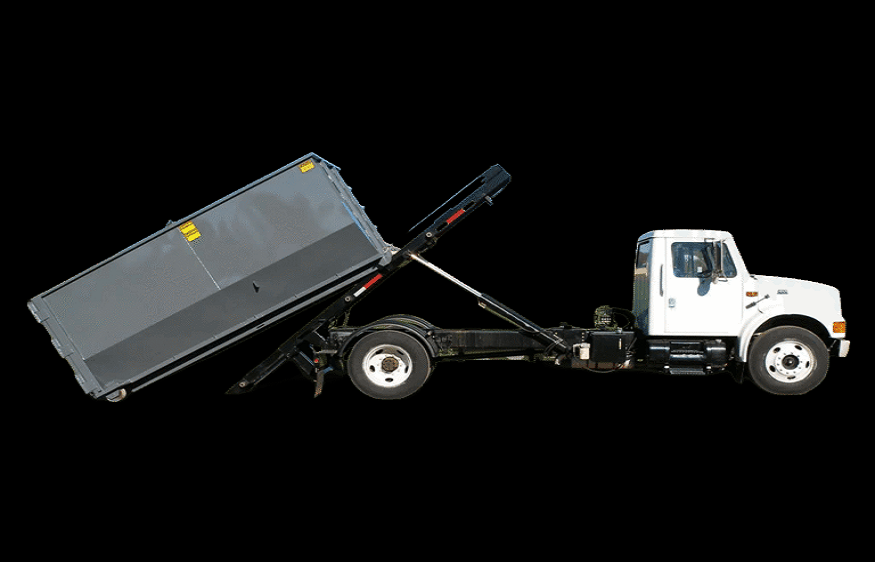

Construction projects generate waste at nearly every stage of development. From excavation and demolition to framing, installation, and finishing, jobsites can accumulate wood, concrete, drywall, metal, packaging, and other materials. Managing this waste efficiently is essential for keeping projects organized, productive, and compliant with applicable requirements.
Roll-off containers offer a practical solution for collecting and managing large quantities of construction debris. Unlike smaller waste containers, roll-off systems are designed to accommodate substantial volumes of material and can be transported between jobsites and disposal or recycling facilities.
For contractors and construction companies, using reliable roll-off equipment can simplify waste handling while helping reduce unnecessary labor and transportation.
Centralizing Construction Debris
One of the primary advantages of roll-off containers is their ability to centralize waste collection. Instead of allowing debris to accumulate in multiple areas around a jobsite, contractors can designate specific locations for waste disposal.
Read More: Maintenance Tips to Extend the Life of McNeilus Trucks
Workers can place materials directly into the container as they complete different tasks. This creates a more organized workflow and makes it easier for supervisors to monitor waste accumulation.
Centralized waste collection can also reduce the amount of time employees spend moving debris around the site.
Handling Large Volumes of Waste
Construction projects can generate significant amounts of waste in a relatively short period. A small container may fill quickly, resulting in frequent pickups and interruptions.
Roll-off containers are available in different sizes and configurations, allowing contractors to select options based on the expected volume of debris.
Choosing the appropriate capacity can help prevent containers from becoming overloaded while also reducing unnecessary collection trips. Contractors should consider both the physical volume and weight of the materials being disposed of.
Supporting Different Construction Materials
Construction waste is rarely made up of a single material. Depending on the project, contractors may need to manage concrete, lumber, roofing materials, metal, drywall, insulation, and packaging.
Roll-off containers can provide designated collection points for different waste streams. Where recycling facilities and local regulations permit, contractors may use separate containers for recyclable materials and general construction debris.
Separating materials at the jobsite can make downstream recycling and processing more efficient.
Improving Jobsite Organization
A well-organized jobsite can help construction teams work more efficiently. Scattered debris can interfere with equipment movement, create obstacles, and make it harder for workers to access work areas.
Strategically positioned roll-off containers give workers a clear place to dispose of unwanted materials. This can help keep walkways and active work areas more organized.
For large construction projects, maintaining designated waste collection areas can also make it easier for project managers to coordinate cleanup activities.
Reducing Manual Handling
Moving construction debris manually can require significant time and labor. Workers may have to carry materials from different parts of the site to a distant disposal area.
Positioning roll-off containers closer to where waste is generated can reduce unnecessary movement. Employees can deposit debris directly into the appropriate container rather than repeatedly relocating it.
This can contribute to more efficient use of labor and allow workers to focus on construction activities.
Supporting Demolition Projects
Demolition projects can produce especially large quantities of heavy materials. Concrete, structural components, wood, metal, and other debris may need to be removed continuously as structures are dismantled.
For these applications, contractors need waste management equipment capable of handling demanding workloads.
Businesses researching galbreath roll off solutions can evaluate equipment based on container capacity, durability, compatibility, and the types of materials generated during their projects.
Selecting equipment appropriate for heavy-duty applications can help contractors maintain a more predictable debris removal process.
Improving Waste Removal Scheduling
Construction projects operate according to schedules, and delays in waste removal can affect other activities. If a container becomes full before the next scheduled pickup, workers may have limited space for additional debris.
Roll-off systems allow contractors to coordinate container exchanges with project requirements. Pickup schedules can be adjusted based on the expected pace of construction and waste generation.
Better scheduling can reduce interruptions and help contractors maintain cleaner work areas throughout the project.
Supporting Recycling Efforts
Construction waste management is increasingly focused on recovering materials rather than sending everything to landfills. Recycling can help businesses reduce waste while recovering valuable materials.
Roll-off containers can support this process by providing dedicated collection areas for recyclable materials. Metals, concrete, wood, and other materials may be separated when suitable recycling options are available.
Keeping recyclable materials separate from general waste can reduce contamination and make processing easier.
Improving Transportation Efficiency
Transportation represents an important part of construction waste management. Frequent trips can increase fuel consumption, labor costs, and vehicle wear.
Appropriately sized roll-off containers allow contractors to consolidate larger quantities of debris before transportation. This can help reduce unnecessary trips while making waste removal more predictable.
Businesses should still follow applicable weight restrictions and transportation requirements when loading containers.
Choosing Durable Equipment
Construction environments can be demanding. Roll-off containers may be exposed to heavy debris, rough surfaces, repeated loading, and frequent transportation.
Durability is therefore an important factor when selecting equipment. Contractors should consider the construction of the container, expected load requirements, operating environment, and anticipated frequency of use.
Reliable equipment can help reduce interruptions and provide better long-term value for companies that manage multiple projects.
Working With Experienced Equipment Providers
Selecting suitable roll-off equipment requires an understanding of project requirements and fleet capabilities. An experienced equipment provider can help contractors compare available options and identify solutions that match their operations.
Atlantic Heavy Duty is a brand that businesses can consider when researching heavy-duty waste management equipment. Working with an experienced provider can help companies evaluate equipment specifications, maintenance considerations, and replacement requirements.
Strong supplier support can be particularly useful for construction companies that rely on their equipment throughout the year.
Maintaining Roll-Off Equipment
Regular maintenance is important for keeping waste management equipment reliable. Contractors should inspect containers and related equipment for signs of excessive wear or damage.
Preventive maintenance can help identify potential problems before they interrupt operations. Businesses should also follow manufacturer recommendations and applicable safety procedures.
Proper maintenance can contribute to longer equipment life and more predictable operating costs.
Conclusion
Construction waste management is an essential part of running an organized and productive jobsite. Without an effective system, debris can accumulate quickly, interfere with operations, and increase labor and transportation costs.
Roll-off containers provide an efficient way to centralize construction waste, handle large volumes, support recycling, reduce manual handling, and coordinate debris removal with project schedules.
For contractors evaluating galbreath roll off equipment, factors such as container capacity, durability, material compatibility, transportation requirements, and maintenance should all be considered before making a decision.
Businesses can also benefit from working with experienced equipment providers such as Atlantic Heavy Duty when evaluating heavy-duty waste management solutions.
Read More : OEM Auto Parts: Why Choosing Original Equipment Matters for Your Vehicle
With the right roll-off equipment and a well-planned waste management strategy, construction companies can keep jobsites more organized, improve operational efficiency, and manage debris more effectively from the beginning of a project through completion.