
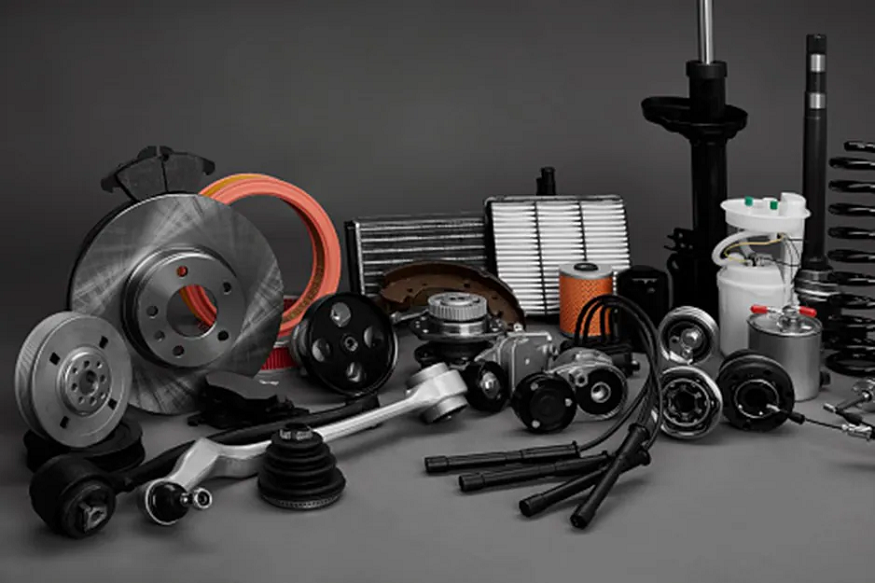

OEM auto parts are the gold standard when it comes to maintaining performance, safety, and long-term reliability of any vehicle. Whether you are replacing a worn-out component or restoring your car to factory condition, OEM auto parts ensure compatibility, durability, and peace of mind. Unlike aftermarket alternatives, these parts are designed to match the original specifications set by the vehicle manufacturer, making them a preferred choice for both everyday drivers and professionals.
What Are OEM Auto Parts?
OEM auto parts, or Original Equipment Manufacturer parts, are components produced by the same manufacturer that supplied parts for your vehicle when it was originally built. These parts are identical in design, materials, and quality to the factory-installed components. Because they are made to exact specifications, OEM auto parts fit seamlessly without the need for modifications or adjustments.
This precision makes them especially valuable for critical systems such as brakes, engines, suspension, and electronics, where even minor deviations can affect performance or safety.
OEM Auto Parts vs Aftermarket Parts
One of the most common questions vehicle owners face is whether OEM auto parts are worth the investment compared to aftermarket options. While aftermarket parts are often cheaper, they vary widely in quality and compatibility.
OEM auto parts are engineered specifically for your vehicle model. This means better fit, consistent performance, and reduced risk of premature failure. Aftermarket parts may claim compatibility, but they are usually designed to fit multiple models, which can lead to compromises in quality or longevity.
Another key difference lies in warranties. OEM auto parts typically come with manufacturer-backed warranties, offering additional protection and assurance. Aftermarket warranties, if available, are often limited or conditional.
Benefits of Using OEM Auto Parts
One of the biggest advantages of OEM auto parts is reliability. Since these parts are tested under strict quality standards, they perform exactly as intended. This reliability translates into smoother operation, better fuel efficiency, and fewer unexpected breakdowns.
Safety is another major factor. OEM auto parts are designed to work in harmony with your vehicle’s existing systems. This is especially important for safety-related components such as airbags, braking systems, and sensors. Using non-original parts in these areas can compromise how the vehicle responds in critical situations.
OEM auto parts also help maintain resale value. Vehicles serviced with original parts tend to retain higher value because buyers trust factory-quality repairs over unknown alternatives.
When OEM Auto Parts Make the Most Sense
While OEM auto parts are always a solid choice, they are particularly important in certain situations. If your vehicle is still under warranty, using OEM auto parts often helps preserve that coverage. Many manufacturers require original components for warranty-related repairs.
OEM auto parts are also ideal for newer vehicles with advanced technology. Modern cars rely heavily on integrated electronics and software. Using parts that are not precisely calibrated can lead to warning lights, performance issues, or system failures.
For luxury and performance vehicles, OEM auto parts are often the safest option. These vehicles are engineered with tight tolerances, and even small deviations can affect handling, comfort, or engine performance.
Common Myths About OEM Auto Parts
A common misconception is that OEM auto parts are always overpriced. While they can cost more upfront, they often last longer and perform better, reducing the need for frequent replacements. Over time, this can make them more cost-effective than cheaper alternatives.
Another myth is that OEM auto parts are only available through dealerships. Today, many authorized suppliers and online retailers offer genuine OEM auto parts at competitive prices, making them more accessible than ever.
Some also believe aftermarket parts are always innovative or superior. While certain aftermarket brands do offer performance upgrades, this does not apply across the board. For standard replacements, OEM auto parts remain the benchmark for quality and consistency.
How to Identify Genuine OEM Auto Parts
Ensuring authenticity is crucial when purchasing OEM auto parts. Genuine parts usually come in branded packaging with part numbers and manufacturer labels. These identifiers help verify that the part meets original specifications.
It is always recommended to cross-check part numbers using your vehicle identification number. This ensures compatibility and eliminates the risk of ordering the wrong component.
Buying from trusted suppliers, authorized dealers, or reputable online platforms significantly reduces the chances of receiving counterfeit or mislabeled parts.
OEM Auto Parts and Long-Term Vehicle Health
Using OEM auto parts contributes directly to the long-term health of your vehicle. Properly fitted components reduce wear on surrounding systems and help maintain factory performance levels. This results in fewer mechanical issues and more predictable maintenance schedules.
Consistency is another benefit. When every replacement part matches the original design, your vehicle behaves as intended by the manufacturer. This consistency is especially important for fleet operators and businesses that rely on vehicle uptime and reliability.
Final Thoughts on OEM Auto Parts
OEM auto parts offer unmatched precision, reliability, and confidence for vehicle owners who prioritize quality over short-term savings. While aftermarket options may seem attractive at first glance, OEM auto parts deliver long-term value through better performance, enhanced safety, and sustained vehicle integrity.
For anyone looking to protect their investment, extend vehicle lifespan, and maintain factory-level standards, OEM auto parts remain the smart and dependable choice.