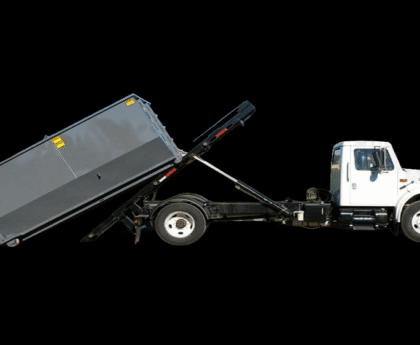

The waste management industry depends on equipment that can handle demanding workloads, transport heavy materials, and support reliable service across different locations. From construction debris removal to commercial waste collection, businesses need trucks that can perform consistently under challenging working conditions. Roll-off trucks are especially important because they allow companies to deliver and collect large containers without requiring customers to transport waste themselves.
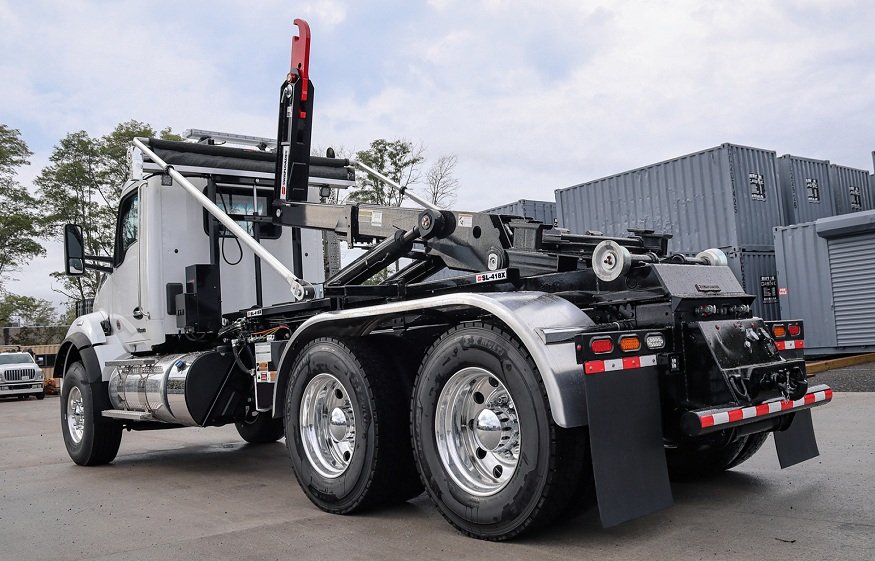
Galfab has developed a reputation in the roll-off equipment market for providing cable-style systems designed for heavy-duty applications. Its equipment is used in operations where dependable container handling, practical design, and long-term value are important. Understanding the features that distinguish this equipment can help fleet managers make better purchasing decisions.
A Focus on Heavy-Duty Applications
Waste industry vehicles often operate in environments where equipment experiences repeated loading, unloading, and transportation cycles. Construction sites, demolition projects, recycling facilities, and industrial locations can place significant demands on trucks and hoist systems.
Galfab equipment is designed with these applications in mind. Its cable-style roll-off systems are intended to handle heavy containers and support regular use. Businesses choosing a truck must still confirm that the selected hoist capacity, chassis, and container specifications are appropriate for the materials being transported.
A properly matched system can help reduce unnecessary strain on equipment and provide a more dependable solution for daily operations.
Outside Rail Design for Container Movement
One of the notable features of the Galfab Outside Rail series is its rail-and-roller arrangement. The design allows container long sills to transition across the hoist frame using rollers rather than relying on direct metal-to-metal contact.
This can help make container movement smoother and reduce friction during loading and unloading. The system also includes container long-sill support rails, which provide additional support and can help guide containers that are not perfectly aligned.
These features are important because roll-off trucks frequently work with containers that have experienced years of demanding use. A practical design that supports controlled movement can contribute to a more manageable operating process.
Components Designed for Practical Maintenance
Maintenance is a major part of fleet ownership. Equipment that is difficult to inspect or service can increase the time and effort required to keep trucks available.
Galfab’s listed Outside Rail features include greaseable roller shafts that can be removed using two bolts, supporting easier replacement and maintenance. The system also includes greaseable working points. These design details can make certain routine service tasks more straightforward.
However, maintenance requirements still depend on the truck’s working environment, usage frequency, and manufacturer recommendations. Fleet managers should establish inspection schedules and ensure that drivers report unusual wear, damaged components, or hydraulic issues as soon as they appear.
Features That Support Driver Convenience
Drivers interact with roll-off equipment throughout the working day. They must position the truck, operate the hoist, manage cables, and secure containers while working in different environments. Practical equipment features can make these tasks easier to manage.
The Galfab Outside Rail series includes an autofold DOT bumper designed to fold forward. This feature helps reduce the chance of bumper bending or hang-ups in landfill environments. A rear ground roller cover is also listed as a standard feature on the Outside Rail hoists, supporting easier loading and unloading.
Other available equipment options may include work lights, rear-view camera systems, tarping systems, and additional controls. The availability of each feature should be confirmed for the specific truck being purchased.
Capacity and Configuration Options
Different waste management businesses require different levels of lifting capacity. A company collecting relatively light commercial debris may not need the same equipment as a contractor transporting heavy construction materials.
Atlantic Heavy Duty lists Galfab Outside Rail hoist capacities of 60,000 pounds and 75,000 pounds. Buyers should remember that hoist capacity is only one part of the complete truck’s operating limits. The chassis rating, axle configuration, container specifications, weight distribution, and applicable regulations must also be considered.
A suitable configuration should be selected based on the heaviest expected loads and the types of containers used in daily operations. Choosing equipment with insufficient capacity can create operational and safety concerns, while selecting a configuration that is unnecessarily large may increase acquisition and operating costs.
Options for Different Business Requirements
No two waste management fleets are exactly alike. Some companies focus on container rentals, while others specialize in construction cleanup, recycling, demolition, or industrial waste transportation.
Galfab systems can be configured with options such as tarping systems, toolboxes, auxiliary stops, fenders, pintle hooks, onboard scale systems, and work lights. These additions allow buyers to consider the needs of their specific operations.
For example, a company working at multiple outdoor construction sites may value a suitable tarping system and additional lighting. A business handling a wide range of container weights may find an onboard scale system useful. Buyers should evaluate each option according to its practical value and compatibility with the selected truck.
The Value of Choosing an Experienced Dealer
The equipment itself is only one part of a successful truck purchase. Businesses also need dependable assistance with specifications, parts, maintenance, repairs, and future upgrades.
Atlantic Heavy Duty works with Galfab and supports customers looking for roll-off equipment. Its services include truck sales, parts support, maintenance, and repair solutions. The company also provides opportunities to discuss equipment configurations and available inventory.
Working with an experienced dealer can help buyers understand the differences between available systems and identify a truck that matches their operating requirements. It is also useful to discuss service coverage, warranty details, parts availability, and financing before finalizing a purchase.
Long-Term Value in Fleet Operations
The purchase price of a roll-off truck does not represent its entire cost of ownership. Businesses should also consider maintenance, fuel consumption, insurance, repairs, replacement parts, downtime, and resale value.
A durable and properly configured system can contribute to long-term value when it is operated within its limits and maintained according to recommended procedures. Driver training and preventive inspections are essential parts of this process.
Galfab trucks stand out through their focus on heavy-duty cable-style roll-off applications, practical rail and roller design, and available equipment options. For businesses evaluating roll-off equipment, these features deserve consideration alongside capacity, chassis compatibility, and service support.
By reviewing their actual workload and consulting an experienced provider such as Atlantic Heavy Duty, fleet managers can select equipment that supports productivity, safety, and dependable waste transportation.