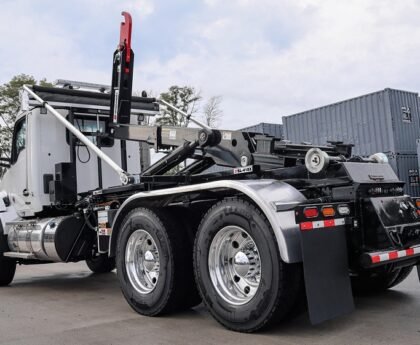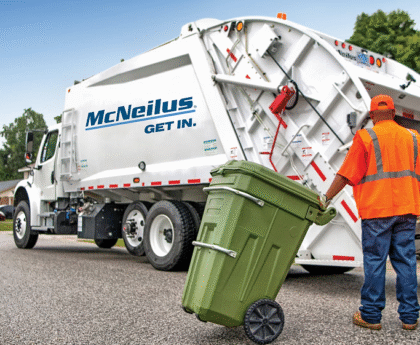
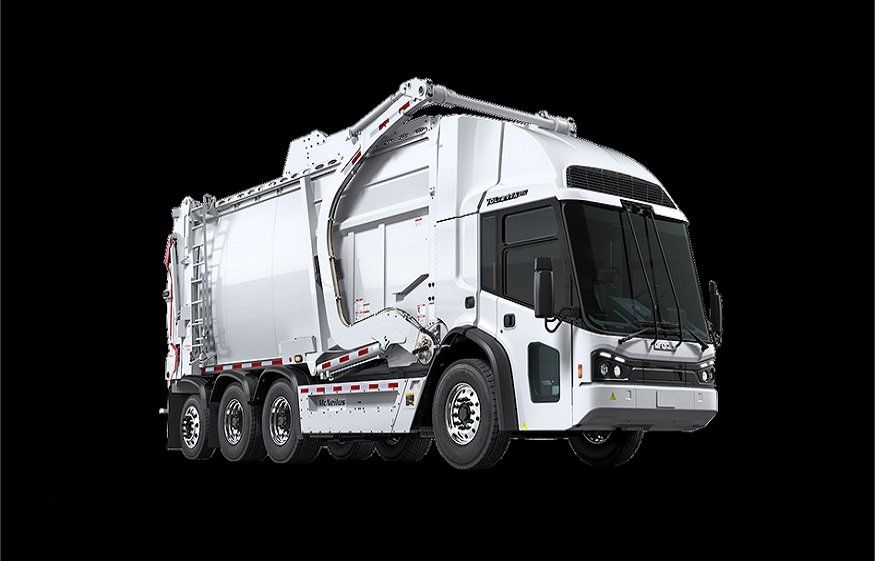

Waste collection vehicles operate in demanding environments where equipment reliability is essential for maintaining daily services. Refuse trucks handle heavy materials, repeated loading activities, and frequent stops throughout their working schedules. Without proper equipment care, normal wear can develop into mechanical problems that increase repair expenses and cause unexpected downtime. McNeilus refuse trucks are designed for different waste collection applications, making regular maintenance and responsible operation important for protecting long-term equipment performance.
Why Equipment Care Matters
Proper equipment care helps waste management companies maintain vehicle performance and reduce unnecessary maintenance expenses. Refuse trucks operate under conditions that can affect hydraulic systems, loading mechanisms, tires, brakes, and structural components.
When maintenance is delayed, relatively minor problems may develop into more expensive repairs. For example, a small hydraulic leak can affect equipment performance if it is not investigated promptly. Similarly, worn loading components may eventually interfere with normal collection activities.
Fleet managers should establish clear equipment care procedures that cover daily inspections, scheduled servicing, cleaning, and repair documentation.
Follow a Regular Inspection Schedule
Daily inspections are an important part of responsible refuse truck operation. Drivers should examine the vehicle before beginning collection activities and report visible problems to maintenance personnel.
Read More : Understanding the Benefits of Galbreath Roll Off Containers for Commercial Use
Important inspection areas include tires, brakes, lights, mirrors, hydraulic connections, and loading equipment. Operators should also check for visible leaks, damaged components, and unusual noises.
McNeilus refuse trucks may have different inspection requirements depending on their configuration and installed equipment. Maintenance teams should follow the appropriate manufacturer documentation for each vehicle.
Maintain Hydraulic Systems Properly
Hydraulic systems operate many important functions on refuse trucks. They provide power for lifting mechanisms, compactors, and other equipment used during collection activities.
Hydraulic maintenance should include checking fluid levels, inspecting hoses, examining connections, and looking for leaks. Technicians should also investigate unusual equipment movements or changes in operating performance.
Vehicles equipped with a McNeilus front loader configuration require appropriate inspection of the hydraulic equipment associated with their front loading mechanisms.
Only suitable fluids and replacement components should be used according to manufacturer recommendations. Proper hydraulic maintenance helps maintain consistent equipment operation and reduces the risk of unexpected interruptions.
Care for Loading and Compaction Equipment
Loading and compaction equipment performs repetitive mechanical tasks throughout collection routes. These systems experience wear because they repeatedly handle waste containers and materials.
Operators should follow recommended loading procedures and avoid using equipment beyond its intended capacity. Maintenance teams should inspect moving components, mounting points, hydraulic cylinders, and other serviceable areas.
Cleaning is also important because waste residue can accumulate around mechanical equipment. Regular cleaning helps technicians identify visible damage and maintain better working conditions.
A properly maintained loading mechanism supports more consistent collection activities and helps reduce unnecessary equipment stress.
Protect Tires, Brakes, and Suspension
Tires, brakes, and suspension systems are essential for safe vehicle operation. Refuse trucks frequently stop, start, and maneuver through residential and commercial areas.
Drivers should monitor tire pressure and look for uneven wear, cuts, or visible damage. Technicians should inspect braking components according to recommended service intervals.
Suspension systems should also receive regular attention because they support the vehicle under changing load conditions. Unusual vibrations, handling changes, or uneven vehicle height should be investigated.
These inspections help businesses maintain reliable vehicles and identify developing problems before they affect collection schedules.
Keep Electrical and Safety Systems Functional
Modern refuse trucks may include cameras, warning lights, alarms, sensors, and electronic controls. These features can support vehicle operation and workplace safety.
Maintenance teams should check batteries, wiring, switches, lights, and electrical connections. Backup alarms and other warning systems should also be tested regularly.
Drivers should understand the meaning of dashboard warning indicators and report electrical problems promptly. Ignoring warning signals can allow minor faults to become more serious.
Use Compatible Replacement Components
Replacement components must match the vehicle’s specifications. Installing unsuitable parts can create compatibility problems and may affect the performance of connected systems.
Before ordering McNeilus truck parts, technicians should confirm the vehicle model, serial information, configuration, and applicable part numbers.
Businesses researching McNeilus companies and their dealership networks should also investigate available parts support and technical assistance.
Ten-8 Industrial is part of the McNeilus independent dealership network and provides refuse and recycling vehicle sales, parts, service, and maintenance support in Alabama, Florida, Georgia, and Mississippi. Companies within its territory can evaluate its services when planning equipment maintenance and replacement requirements.
Clean and Store Vehicles Properly
Refuse trucks are regularly exposed to dust, moisture, waste residue, and outdoor conditions. Cleaning helps prevent unnecessary buildup around important vehicle components.
Maintenance teams should clean collection bodies and accessible equipment according to manufacturer recommendations. They should avoid cleaning methods that may damage electrical connections or sensitive components.
When trucks are not operating, suitable parking and storage arrangements can help protect equipment from unnecessary exposure. Vehicles that remain inactive for extended periods should receive appropriate inspections before returning to service.
Train Drivers and Maintenance Employees
Equipment care is not limited to technicians. Drivers and collection crews also influence the condition of refuse trucks through their daily operating practices.
Employees should understand vehicle limitations, loading procedures, inspection requirements, and safety instructions. Drivers should avoid unnecessary overloading and report unusual equipment behavior immediately.
Maintenance personnel should receive appropriate training for the specific truck configurations they service. This helps ensure that inspections and repairs follow the correct procedures.
Maintain Accurate Service Records
Service records help businesses understand the condition of individual vehicles and plan future maintenance activities.
Records should include inspection dates, repairs, replaced components, fluid changes, and recurring problems. Fleet managers can use this information to identify vehicles that require additional attention.
For trucks equipped with a McNeilus front loader configuration, documenting hydraulic and loading equipment inspections can help technicians monitor important components over time.
Read More : Key Factors That Make Galfab Trucks Stand Out in the Waste Industry
Accurate records also help companies prepare maintenance budgets and evaluate whether a vehicle remains suitable for its assigned collection work.
Conclusion
Proper equipment care is essential for maintaining the performance and service life of McNeilus refuse trucks. Regular inspections, hydraulic system maintenance, loading equipment care, cleaning, and responsible operation all contribute to dependable vehicle performance.
Companies should also use compatible replacement components, train employees, and maintain accurate service records. Whether operating a McNeilus front loader or another refuse truck configuration, following manufacturer recommendations is important for protecting equipment investments. With appropriate maintenance planning and support from providers such as Ten-8 Industrial within its service territory, waste management businesses can maintain reliable collection operations.